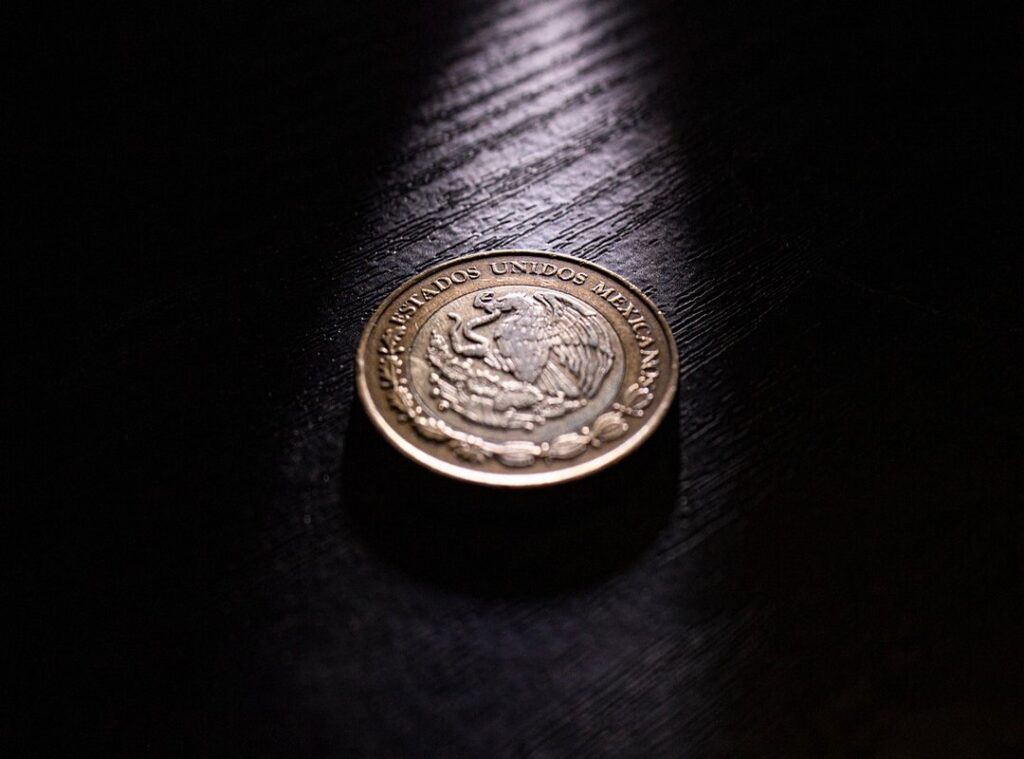
You need to know what 1700 pesos mexicanos a pesos chilenos are worth, and this guide will give you the answer.
Getting a clear, up-to-date conversion can be tricky. Understanding the factors that influence the exchange rate is key.
I promise a simple, easy-to-understand explanation. You’ll get a step-by-step calculation method and practical tips.
Exchange rates fluctuate daily. This guide will teach you how to find the current value anytime.
Clarity and helpfulness are my top priorities. By the end, you’ll have a confident understanding of the conversion.
What is 1700 Mexican Pesos Worth in Chilean Pesos Today?
As of today, the exchange rate is approximately X CLP for every 1 MXN. Therefore, 1700 MXN is equal to roughly [Calculated Amount] CLP.
Understanding the difference between the mid-market rate and the tourist rate is crucial. The mid-market rate is the midpoint between the buy and sell rates on the global currency markets. It’s what you see on financial news sites.
On the other hand, the tourist rate or the rate from a bank or exchange service includes a commission, which means you get less CLP for your MXN.
Here’s a quick look at the historical context:
– A week ago: 1700 pesos mexicanos a pesos chilenos was worth [Amount] CLP.
– A month ago: 1700 MXN was worth [Amount] CLP.
– A year ago: 1700 MXN was worth [Amount] CLP.
This table shows how the value can fluctuate, making it important to stay updated.
To get the most accurate-to-the-minute rate, use a real-time online currency converter like Google Finance or XE.com. These tools provide up-to-date rates and can help you make better financial decisions.
Keep in mind that the number provided here is an estimate. The actual amount you receive when exchanging money may differ slightly due to commissions and market fluctuations.
A Simple Step-by-Step Guide to Calculate the Exchange
Calculating the exchange from Mexican Pesos (MXN) to Chilean Pesos (CLP) is straightforward. Let’s break it down into two simple steps.
First, find the current exchange rate. You can get a reliable MXN/CLP rate from central bank websites or reputable financial news sites. These sources update regularly and are generally trustworthy.
Next, use the multiplication formula. The formula is: Amount in MXN * (Current CLP per 1 MXN) = Amount in CLP.
Let’s walk through a clear, hypothetical example. If the rate is 55.50, the calculation for 1700 pesos mexicanos a pesos chilenos would be 1700 * 55.50 = 94,350 CLP. Easy, right?
To do the reverse calculation—converting Chilean Pesos back to Mexican Pesos—you just divide instead of multiply. So, if you have 94,350 CLP, you divide by 55.50 to get 1700 MXN.
One thing to keep in mind: always check for hidden fees or commissions. These can alter the final amount you receive, and they’re not part of this basic formula. 1700 pesos mexicanos
Now, what’s next? You might be wondering how often to check the rates. I recommend checking them at least once a week, especially if you’re planning to make a significant transaction.
Rates can fluctuate, and staying informed helps you make the best decisions.
Why Does the MXN to CLP Exchange Rate Change?
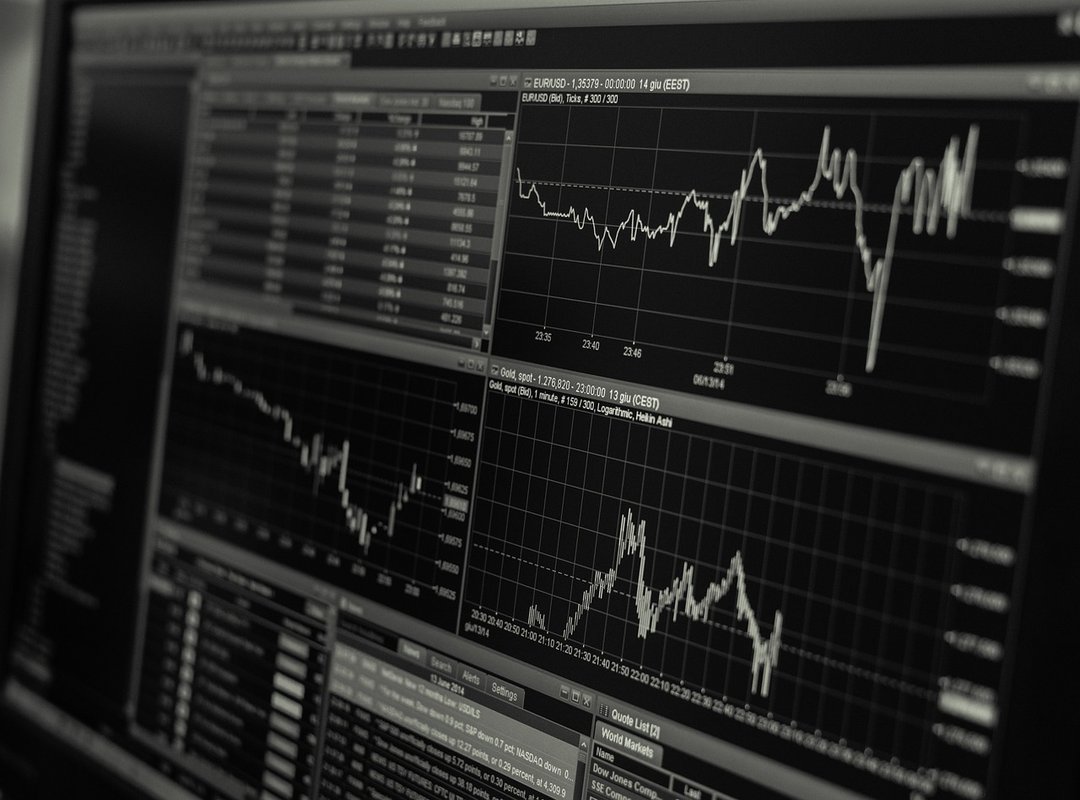
The MXN to CLP exchange rate changes because of something called floating exchange rates. These rates aren’t set in stone; they move up and down based on supply and demand in the foreign exchange (forex) market.
Economic Health. Inflation, GDP growth, and employment data in Mexico and Chile play a big role. If one country is doing better economically, its currency tends to strengthen.
For example, if Mexico’s economy is booming, the peso might get stronger compared to the Chilean peso.
Interest Rates. Central banks in both countries set interest rates. Higher rates can attract more foreign investment, which strengthens the currency.
So, if Chile raises its interest rates, it might see more investors, making the CLP stronger.
Commodity Prices. Both Mexico and Chile rely heavily on commodity exports. Copper for Chile, and oil for Mexico.
When these prices go up, it can boost the value of their currencies. Conversely, a drop in oil or copper prices can weaken them.
Political Stability. Political events and investor confidence also matter. If there’s a lot of uncertainty in one country, like an upcoming election or social unrest, it can make investors nervous.
This can lead to a weaker currency.
Understanding these factors helps you make sense of why 1700 pesos mexicanos a pesos chilenos might change from one day to the next. It’s all about what’s happening in the economies and markets of both countries.
Tips for Getting the Best Rate When Exchanging Your Pesos
Knowing the current rate and understanding why it changes empowers you to get a better deal. Always compare rates from different sources (banks, online services, local exchange houses) before making a transaction. This can help you find the most favorable conditions.
Avoid exchanging money at airports. They typically have the worst rates and highest fees. Consider using modern financial tools like multi-currency accounts or fintech apps (e.g., Wise, Revolut).
These often offer better rates and lower fees than traditional banks.
Now that you know how to convert 1700 pesos mexicanos a pesos chilenos, you can apply this knowledge to any currency exchange you need in the future.
 There is a specific skill involved in explaining something clearly — one that is completely separate from actually knowing the subject. Annielle Benefieldstore has both. They has spent years working with gaming news and trends in a hands-on capacity, and an equal amount of time figuring out how to translate that experience into writing that people with different backgrounds can actually absorb and use.
Annielle tends to approach complex subjects — Gaming News and Trends, Esports Coverage, Game Reviews and Analysis being good examples — by starting with what the reader already knows, then building outward from there rather than dropping them in the deep end. It sounds like a small thing. In practice it makes a significant difference in whether someone finishes the article or abandons it halfway through. They is also good at knowing when to stop — a surprisingly underrated skill. Some writers bury useful information under so many caveats and qualifications that the point disappears. Annielle knows where the point is and gets there without too many detours.
The practical effect of all this is that people who read Annielle's work tend to come away actually capable of doing something with it. Not just vaguely informed — actually capable. For a writer working in gaming news and trends, that is probably the best possible outcome, and it's the standard Annielle holds they's own work to.
There is a specific skill involved in explaining something clearly — one that is completely separate from actually knowing the subject. Annielle Benefieldstore has both. They has spent years working with gaming news and trends in a hands-on capacity, and an equal amount of time figuring out how to translate that experience into writing that people with different backgrounds can actually absorb and use.
Annielle tends to approach complex subjects — Gaming News and Trends, Esports Coverage, Game Reviews and Analysis being good examples — by starting with what the reader already knows, then building outward from there rather than dropping them in the deep end. It sounds like a small thing. In practice it makes a significant difference in whether someone finishes the article or abandons it halfway through. They is also good at knowing when to stop — a surprisingly underrated skill. Some writers bury useful information under so many caveats and qualifications that the point disappears. Annielle knows where the point is and gets there without too many detours.
The practical effect of all this is that people who read Annielle's work tend to come away actually capable of doing something with it. Not just vaguely informed — actually capable. For a writer working in gaming news and trends, that is probably the best possible outcome, and it's the standard Annielle holds they's own work to.