

I’ve been fascinated by the saiz ikan nun for years. It’s not just about numbers; it’s about understanding these creatures in their natural habitat. Do you ever wonder how big they actually get?
Let’s dive into it. The average size, growth patterns, and factors influencing their size are all important. But first, why does it matter?
Knowing this can help you identify and measure them more accurately.
This isn’t just guesswork. I base my insights on scientific research and expert knowledge. So, let’s get started.
What Are Nun Fish?
Nun fish, also known as saiz ikan nun in some regions, are scientifically named Caranx ignobilis. They’re commonly referred to as giant trevally or GT.
These fish are found in the Indo-Pacific region, from the Red Sea to Australia. They prefer tropical and subtropical waters, often inhabiting coral reefs, lagoons, and estuaries.
- Habitat:
- Tropical and subtropical waters
- Coral reefs, lagoons, and estuaries
- Depths ranging from shallow to about 100 meters
Nun fish are known for their robust build and powerful swimming abilities. They can grow up to 170 cm in length and weigh over 80 kg.
Their silvery color and streamlined body make them efficient predators. They feed on a variety of prey, including smaller fish, crustaceans, and even other marine animals.
Understanding these characteristics helps in identifying and appreciating the role of nun fish in marine ecosystems.
Average Size of Nun Fish
Let’s get real. Trying to find accurate information on the average size of nun fish can be a real headache.
First, the general size: Nun fish typically measure around 6 inches in length and weigh about 2 ounces. Simple, right?
But here’s where it gets frustrating. The saiz ikan nun can vary widely depending on their environment and diet. Some can grow up to 8 inches, while others might stay smaller.
- Males and females don’t differ much in size.
- Younger nun fish are, of course, smaller, but they grow quickly.
Now, let’s talk about the range. You might see some that are barely 4 inches long, and others that stretch to 9 inches. It’s enough to make you wonder if you’re even looking at the same species.
Comparing them to other similar species, like guppies or tetras, gives a bit more context. Guppies, for instance, usually top out at 2-3 inches. So, nun fish are definitely on the larger side.
It’s these variations that can make it tough to know what to expect when you’re setting up your aquarium. But hey, at least now you have a better idea.
How to Measure Nun Fish
Measuring nun fish, or saiz ikan nun as it’s sometimes called, can be a bit tricky if you don’t know what you’re doing. I’ve made my fair share of mistakes, and I’m here to help you avoid them.
Tools Needed
First things first, you’ll need a few basic tools:
– A measuring tape
– A scale
These are essential for getting accurate measurements.
Step-by-Step Guide
Start by handling the fish gently. This is crucial. One time, I was in a rush and ended up with a squished fish.
Not pretty, and definitely not accurate.
Lay the fish flat on a clean, dry surface. Use the measuring tape to measure from the tip of the snout to the end of the tail. Make sure the tape is straight and not twisted.
Next, place the fish on the scale. Zero out the scale first to ensure an accurate weight. I once forgot to zero the scale and ended up with a completely off measurement.
It threw off my entire data set.
Tips and Tricks
Always handle the fish with care. A flailing fish can be hard to measure. Trust me, I’ve been there.
Position the fish correctly. If it’s not straight, your measurements will be off. I learned this the hard way when I had to redo all my measurements because the fish wasn’t aligned properly.
Lastly, double-check your measurements. It’s easy to make a mistake, especially if you’re in a hurry. Take a moment to verify your results.
By following these steps and tips, you’ll get more accurate and reliable measurements.
Factors Influencing the Size of Nun Fish
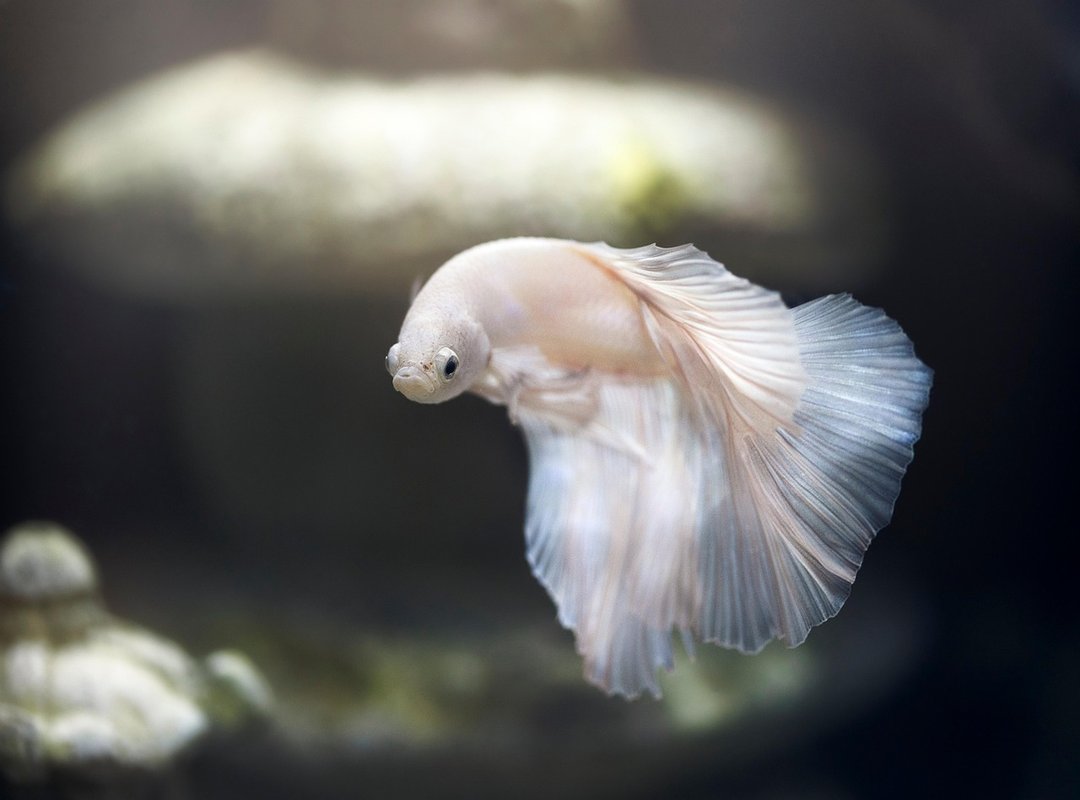
Genetics play a big role in how big or small a nun fish can get. Just like with people, some nun fish are naturally predisposed to be larger or smaller based on their DNA. Tgageeks
Environmental factors also have a significant impact. Water temperature is one. If the water’s too cold, it can slow down growth.
Too warm? That can stress the fish and stunt their size too.
Food availability is another key factor. If there’s not enough to eat, the fish won’t grow as large. Simple as that.
Habitat matters too. A cramped space can limit how much a nun fish can grow. They need room to swim and thrive.
Age and maturity are important. As nun fish age, they generally get bigger. But there’s a catch.
(Pun intended.) Once they reach full maturity, their growth slows down significantly.
Saiz ikan nun can vary widely depending on these factors. Some might stay small, while others can grow quite large. It all depends on the mix of genetics, environment, and age.
Growth Patterns of Nun Fish
Let’s dive into the life cycle of nun fish, from egg to adult. It’s a bit like watching a time-lapse video of a flower blooming, but with scales and fins.
Eggs are laid in shallow waters, often hidden under rocks or in crevices. They’re tiny, almost invisible, but they hold the promise of a new generation.
Once hatched, the larvae are like little swimming specks. They drift with the current, feeding on plankton. This stage is crucial; it’s like the first few steps of a toddler, wobbly but full of potential.
As they grow, nun fish start to look more like miniature versions of their parents. They move to deeper waters, where they can find more food and fewer predators.
The growth rate of nun fish varies. In the early stages, they grow rapidly, like a balloon inflating. As they mature, the growth slows down, becoming more like a slow, steady climb up a hill.
Seasonal variations play a big role. During warmer months, nun fish grow faster, thanks to an abundance of food. Think of it as a buffet season for them.
In colder months, growth slows down. It’s like when you feel less energetic in winter and more lively in summer. The same goes for nun fish.
Understanding these patterns helps us appreciate the saiz ikan nun and how they adapt to their environment. It’s all about survival and thriving in the ever-changing waters.
FAQs About Nun Fish Size
Q1: What is the maximum size a nun fish can reach?
I once thought all nun fish were about the same size, but I was wrong. The maximum size for a nun fish, or saiz ikan nun as it’s sometimes called, can vary. Typically, they grow up to 12 inches in length.
Q2: How do I know if a nun fish is fully grown?
You might think it’s easy to tell, but it’s not always straightforward. A fully grown nun fish will have a more rounded body and a consistent color pattern. Also, their growth rate slows down significantly after a certain point.
Q3: Can the size of a nun fish be influenced by human activities?
Absolutely. I learned this the hard way. Overfeeding and poor water quality can stunt their growth.
Conversely, a well-maintained tank with proper nutrition can help them reach their full potential.
Q4: Are there any health issues related to the size of nun fish?
Yes, and this is something I overlooked at first. Overly large or small nun fish can face health issues like swim bladder problems or malnutrition. It’s important to monitor their size and adjust their care accordingly.
Mastering the Knowledge of Nun Fish Size
This article delves into the specifics of saiz ikan nun, covering the average size, how to measure them, and what influences their growth. Readers gain insight into the typical dimensions and learn practical techniques for measuring these fish. Factors such as diet, habitat, and environmental conditions are explored, showing how they impact the overall size.
The information provided is clear and detailed, ensuring that anyone interested in nun fish can easily understand and apply this knowledge. Use this understanding to foster a greater appreciation and better care for nun fish in their natural environments.
 Ask Derek Collinstain how they got into player strategy guides and you'll probably get a longer answer than you expected. The short version: Derek started doing it, got genuinely hooked, and at some point realized they had accumulated enough hard-won knowledge that it would be a waste not to share it. So they started writing.
What makes Derek worth reading is that they skips the obvious stuff. Nobody needs another surface-level take on Player Strategy Guides, Gaming News and Trends, Upcoming Game Releases. What readers actually want is the nuance — the part that only becomes clear after you've made a few mistakes and figured out why. That's the territory Derek operates in. The writing is direct, occasionally blunt, and always built around what's actually true rather than what sounds good in an article. They has little patience for filler, which means they's pieces tend to be denser with real information than the average post on the same subject.
Derek doesn't write to impress anyone. They writes because they has things to say that they genuinely thinks people should hear. That motivation — basic as it sounds — produces something noticeably different from content written for clicks or word count. Readers pick up on it. The comments on Derek's work tend to reflect that.
Ask Derek Collinstain how they got into player strategy guides and you'll probably get a longer answer than you expected. The short version: Derek started doing it, got genuinely hooked, and at some point realized they had accumulated enough hard-won knowledge that it would be a waste not to share it. So they started writing.
What makes Derek worth reading is that they skips the obvious stuff. Nobody needs another surface-level take on Player Strategy Guides, Gaming News and Trends, Upcoming Game Releases. What readers actually want is the nuance — the part that only becomes clear after you've made a few mistakes and figured out why. That's the territory Derek operates in. The writing is direct, occasionally blunt, and always built around what's actually true rather than what sounds good in an article. They has little patience for filler, which means they's pieces tend to be denser with real information than the average post on the same subject.
Derek doesn't write to impress anyone. They writes because they has things to say that they genuinely thinks people should hear. That motivation — basic as it sounds — produces something noticeably different from content written for clicks or word count. Readers pick up on it. The comments on Derek's work tend to reflect that.