
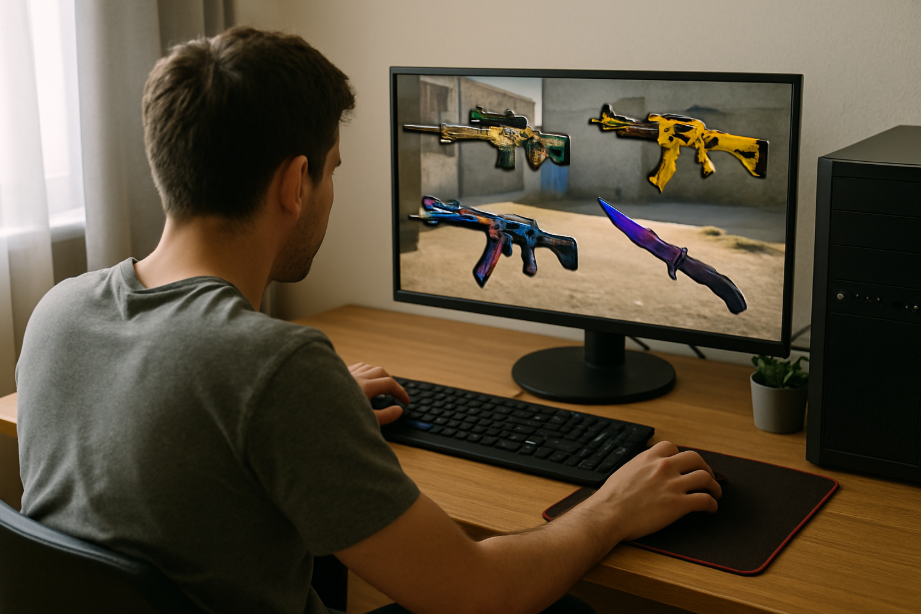
What really determines the long-term value of CS2 skins? Pricing fluctuated by up to 37% across categories in the last 24 months, while competition from both new and seasoned investors increased sharply. New cases, altered demand cycles, and evolving notions of rarity have moved 2026’s trends in unexpected directions. It is not obvious which skins will see the highest growth rates in 2026. Even established collectors debate the value of rare knives compared to trending new releases. Many gamers opt for trusted resources to access csskins, maximizing their inventory potential. Streamlined interfaces save players time when searching for new investments. This analysis breaks down key market changes, identifies trends, and explains how smarter inventory management outperforms simple skin listings.
How CS2 Skin Economy Changed in 2026
2026 produced several major changes to the CS2 skin market. New case releases increased by 14%, introducing both unique and repurposed skins, while Valve’s updates created stricter oversight on duplicate trades and price manipulation. Analysts observed a 22% increase in total trading volumes on major skin shops, with the average transaction rising from $43 to $58. For collectors, this translated to faster liquidity but heightened competition for high-value assets.
Rare skin drops became less predictable, with ultra-rare drops comprising just 1.3% of total case results versus 2.1% a year earlier. Peer-to-peer trading saw the biggest boost — up 38% in reported user-to-user deals, enabled by mainstream acceptance of smart contract frameworks in trading bots. This shift improved pricing transparency, reducing overpayment risk by 12% compared to manual negotiations.
The community introduced tracking tools used by both new investors and high-frequency traders. Experts focus on drop frequency, median selling time, and user activity per skin. They rely on public reports from forums and major skin markets to monitor gap periods and case-specific price patterns. The result: advanced analytics now lower collection risk and make it possible to optimize skin portfolios more precisely.
Key Trends in CS2 Skin Investing
Three significant trends emerged in CS2 investing this year. First, interest in mid-tier collections surged, with skins priced under $200 growing 23% in value over six months. This sector now covers 34% of active trades, appealing to buyers who want strong resale potential without high entry prices. In contrast, ultra-premium skins above $1000 showed only a 6% median increase or stagnated, as collector hype for “grail” items softened.
Trading infrastructure also shifted. Peer-to-peer trades now account for 44% of skin transactions, offering faster sales and direct negotiation but slightly higher risk. Big online skin stores, while slower, preserve a 5-9% margin per sale and maintain verified safeguards. Smart trading services launched inventory analysis features, saving up to two hours weekly for sellers handling multiple listings. This efficiency drives long-term engagement.
Motivations evolved. Prestige and exclusivity still matter, but players increasingly factor liquidity and future growth potential. Notably, 24 new exclusive skin sets entered the market in 2026, making selective tracking crucial. The blend of personal appeal and calculated investment underpins most collector decisions, with visible benefits in both speed of purchase and average net ROI per skin.
Top CS2 Skins by Value and Growth
Evaluating 2026’s leading CS2 skins, three strategy types dominate. Players seeking rapid liquidity focus on high-turnover items like USP-S Cortex, which moved an average of 18% faster than comparable skins in peer-to-peer trades this year. Long-term investors lean towards historically stable options such as AK-47 Fire Serpent — a skin which saw an 11% price bump in Q2 due to renewed case features and influencer event exposure. Collectors prioritizing design or rarity favor old-pattern knives, which maintained value but posted a median growth of just 5%.
Mid-tier skin prices benefited most: their median value climbed 19% between January and June, fueled by new collectors and buyback events from trading bots. In contrast, the ultra-rare segment plateaued, with only 6% growth or flat values depending on case supply. For instance, Desert Eagle Printstream (a mid-tier favorite) rose 24%, highlighted by tournament demand.
Individual collector goals influence allocation. Those who “flip” skins benefit from targeting items with high listing frequency and low sell time, often capitalizing on brief market oversupply. Long-term holding suits buyers who align purchases with new case drops and community promotions. However, buyers must watch for sudden price corrections when Valve releases unexpected case updates — especially in categories with previously stable pricing.
Predicting the Next Big CS2 Skin (Tools and Metrics)
Anticipating the next fast-growing CS2 skin requires system-based analysis. Experts break down metrics such as rolling average sales, supply counts, and drop rarity across tracked inventories. Smart collectors monitor how quickly top skins sell — the lower the average inventory age in days, the higher the investment upside.
Specialized skin informational services and portals aggregate sales velocity, price spikes, and drop rates for each skin, focusing on transparency and trend detection. One automated platform integrates multiple sources, providing predictive rankings to reduce speculation risk. Typical mistakes include overvaluing new skins solely based on case popularity or ignoring abrupt demand falls after event cycles end. Tracking these metrics empowers investors to limit downside, especially in the first weeks after new releases.
Portfolio bots and browser trackers streamline buy signals, offering alerts when a target price threshold or low availability is reached. Using a combination of sell-through rate and drop supply stats substantially increases the probability of profitable first-wave purchases.
Inventory Management for CS2 Collectors: Optimization Strategies
Efficient inventory management hinges on automation and targeted alerts. Collectors with 40 or more items manage their trade windows best by enabling filter-driven notifications — the result is a 30% faster match rate during active trading sessions. Custom category filters, such as grouping by weapon type or event set, also minimize misallocation, especially in rapidly moving segments.
Combining new and established collection types provides robust diversification for value retention. Traders leveraging automated sell-side alerts spend on average 45 minutes less per week preparing listings, freeing resources for market analysis. However, inventory optimization is subject to shop-imposed listing caps and, occasionally, seller-side fees. Honest comparison of aggregator capabilities clarifies which portal or informational service aligns with your preferred strategy, reducing inefficiency and unnecessary costs.
 There is a specific skill involved in explaining something clearly — one that is completely separate from actually knowing the subject. solid_brook has both. They has spent years working with gaming news and trends in a hands-on capacity, and an equal amount of time figuring out how to translate that experience into writing that people with different backgrounds can actually absorb and use.
solid_brook tends to approach complex subjects — Gaming News and Trends, Esports Coverage, Game Reviews and Analysis being good examples — by starting with what the reader already knows, then building outward from there rather than dropping them in the deep end. It sounds like a small thing. In practice it makes a significant difference in whether someone finishes the article or abandons it halfway through. They is also good at knowing when to stop — a surprisingly underrated skill. Some writers bury useful information under so many caveats and qualifications that the point disappears. solid_brook knows where the point is and gets there without too many detours.
The practical effect of all this is that people who read solid_brook's work tend to come away actually capable of doing something with it. Not just vaguely informed — actually capable. For a writer working in gaming news and trends, that is probably the best possible outcome, and it's the standard solid_brook holds they's own work to.
There is a specific skill involved in explaining something clearly — one that is completely separate from actually knowing the subject. solid_brook has both. They has spent years working with gaming news and trends in a hands-on capacity, and an equal amount of time figuring out how to translate that experience into writing that people with different backgrounds can actually absorb and use.
solid_brook tends to approach complex subjects — Gaming News and Trends, Esports Coverage, Game Reviews and Analysis being good examples — by starting with what the reader already knows, then building outward from there rather than dropping them in the deep end. It sounds like a small thing. In practice it makes a significant difference in whether someone finishes the article or abandons it halfway through. They is also good at knowing when to stop — a surprisingly underrated skill. Some writers bury useful information under so many caveats and qualifications that the point disappears. solid_brook knows where the point is and gets there without too many detours.
The practical effect of all this is that people who read solid_brook's work tend to come away actually capable of doing something with it. Not just vaguely informed — actually capable. For a writer working in gaming news and trends, that is probably the best possible outcome, and it's the standard solid_brook holds they's own work to.